Ever felt stuck in a heavy outfit when it’s hot outside? Finding the right outfit is key to feeling comfortable and confident.
This buying guide makes finding the perfect piece easier. Look for something that’s both stylish and light for long days.
You should choose breathable fabrics that handle the weather well. Our tips will help you find a tunic that feels great.
It’s time to refresh your wardrobe with pieces that fit your lifestyle. Choosing top-notch fabrics means less hassle and more style every day.
Key Takeaways
- Prioritize high-quality, breathable fibers to manage heat.
- Select silhouettes that flatter your specific body shape.
- Focus on colorfastness to ensure long-lasting vibrancy.
- Choose versatile designs suitable to various professional tasks.
- Inspect seam strength and stitching details before purchasing.
- Understand sizing charts to ensure a relaxed and easy fit.
Why Cotton Kurtis Are the Best Choice for Daily Wear
Cotton kurtis are a top pick for daily wear. They offer comfort, versatility, and practicality. Many women love them for these reasons.
Breathability and Comfort in Indian Climate
Cotton kurtis are great for India’s climate because they breathe well. The natural fibers let air in, keeping you cool in summer. This makes breathable kurtis for summer essential for staying comfortable.
Fashion experts say cotton is perfect for hot climates. It lets air in and absorbs moisture. This makes it ideal for daily wear in tropical areas.
“Cotton is a natural, breathable fabric that allows for airflow and moisture absorption, making it perfect for daily wear in tropical climates.”
Low Maintenance and Durability Benefits
Cotton kurtis are not just comfy but also easy to care for. They can be washed and dried in a machine. This makes them a smart choice for everyday wear. Cotton’s durability means your kurtis will last a long time.
| Benefits | Description |
|---|---|
| Easy to Wash | Cotton kurtis can be machine washed, making maintenance simple. |
| Durable | Cotton fabric is known for its durability and long lifespan. |
| Comfortable | Cotton is a natural fiber that provides comfort against the skin. |
Versatility Across Multiple Occasions
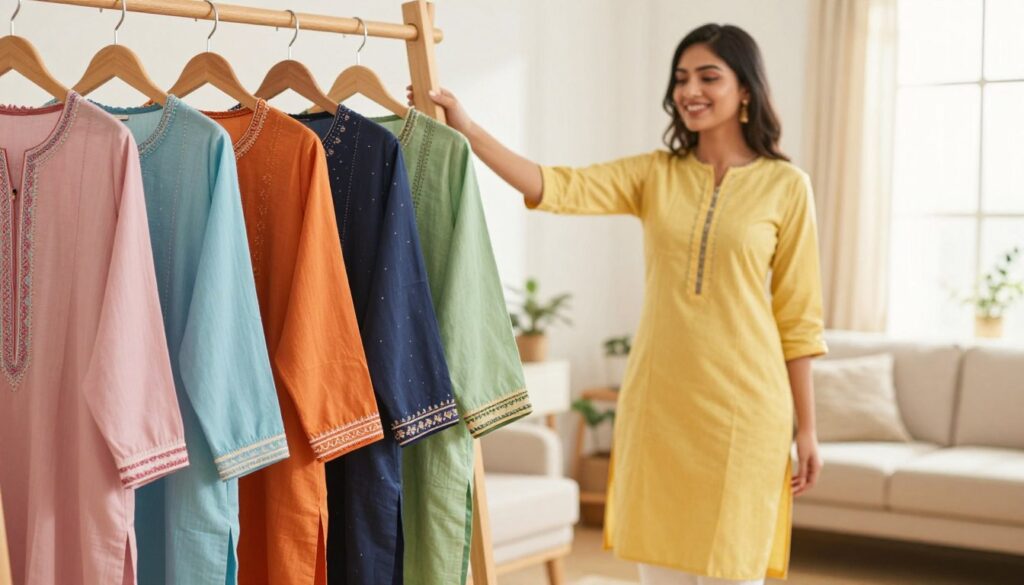
Cotton kurtis are versatile and fit many occasions. They’re perfect for casual days and comfortable kurtis for office settings. With many styles, patterns, and colors, they suit different events.
Skin-Friendly Properties for All-Day Comfort
Pure cotton kurtis are good for your skin. They’re hypoallergenic and don’t cause skin irritation. This makes them great for all-day wear.
Understanding Different Types of Cotton Fabrics
Cotton kurtis are a must-have for many women. But, not all cotton fabrics are the same. The type of cotton affects how comfortable, durable, and stylish your kurti is. Knowing about the different cotton fabrics helps you choose wisely.
Pure Cotton vs. Cotton Blends: What You Need to Know
When picking cotton kurtis, you might choose between pure cotton and cotton blends. Pure cotton is all cotton, offering great breathability and comfort. Cotton blends mix cotton with other fibers like polyester or rayon. This can make the fabric more durable and easier to care for.
Cambric Cotton for Lightweight Summer Comfort
Cambric cotton is a top pick for summer kurtis for women. It’s light and breathable, perfect for hot days. It keeps you cool and comfortable without losing style.
Slub Cotton for Textured, Casual Appeal
Slub cotton has a unique, textured look. It’s great for a casual, relaxed style. It’s ideal for those who like a laid-back look in their cotton kurti for daily wear.
Mulmul Cotton for Ultra-Soft Daily Wear
Mulmul cotton is super soft and gentle. It’s perfect for daily wear kurtis. It’s also good for people with sensitive skin.
Handloom Cotton for Premium Quality
Handloom cotton kurtis are made on traditional looms. They have unique, high-quality fabrics. They often have intricate designs and are great for a lightweight kurti that stands out.
| Cotton Fabric Type | Characteristics | Ideal Use |
|---|---|---|
| Pure Cotton | Breathable, comfortable | Daily wear, all seasons |
| Cambric Cotton | Lightweight, breathable | Summer kurtis |
| Slub Cotton | Textured, casual | Casual daily wear |
| Mulmul Cotton | Soft, gentle | Daily wear, sensitive skin |
| Handloom Cotton | Premium, unique | Special occasions, premium daily wear |
Selecting the Right Kurti Style for Your Body Type
Choosing a kurti that fits your body type is key for a stylish and comfy look. With many styles out there, knowing what suits you best can really make a difference in your daily outfits.
Straight Cut Kurtis for All Body Shapes
Straight cut kurtis are great for most body types. They offer a simple design that doesn’t highlight certain body parts. As Anita Dongre said, “Fashion is about dressing according to what’s trendy now, and comfort is about being able to move freely.” Straight cut kurtis perfectly capture this idea.
A-Line Kurtis for Pear-Shaped and Plus-Size Figures
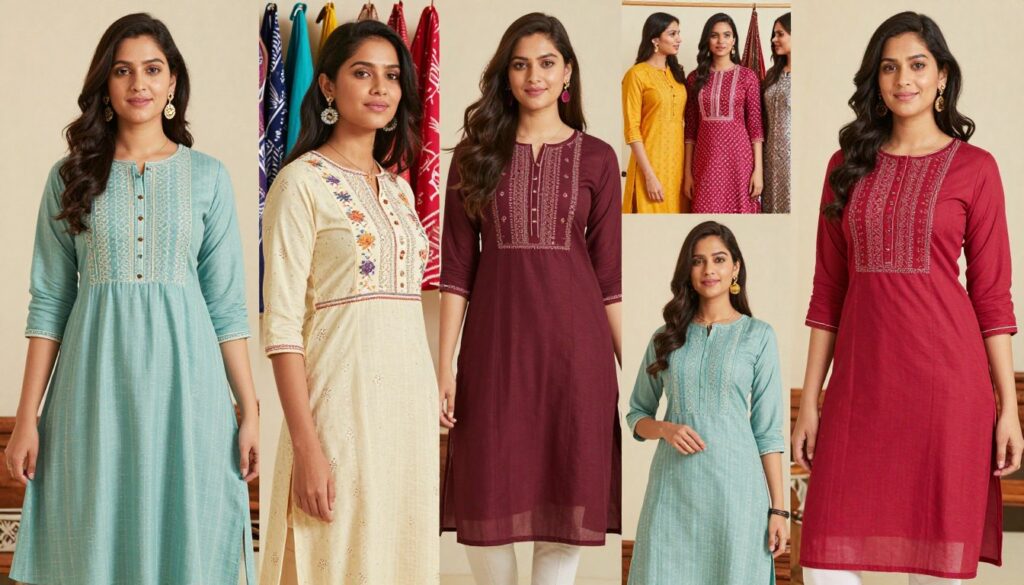
A-line kurtis are perfect for pear-shaped and plus-size figures. Their flared design hugs the hips and thighs, creating a balanced look. This style is both comfy and stylish, making it ideal for everyday wear.
Anarkali Style for Feminine Daily Elegance
Anarkali kurtis offer a feminine and elegant look, great for various occasions, including work. Their flowy design is both comfortable and stylish, making them a favorite among women.
High-Low Hemlines for Contemporary Look
High-low hemlines give traditional kurtis a modern twist. This style is perfect for adding flair to your daily outfits without losing comfort.
Choosing the Right Neckline: Round, V-Neck, and Boat Neck
The neckline greatly affects a kurti’s look. Round necklines are classic and versatile, V-necks can make the neck look longer, and boat necks are trendy. The right neckline depends on your taste and the event.
Sleeve Length Options: Quarter, Half, and Three-Quarter Sleeves
Sleeve length is important when picking a kurti. Quarter sleeves are great for hot weather, half sleeves strike a balance between style and comfort, and three-quarter sleeves offer more coverage and elegance.
By looking at these styles and features, you can find the best cotton kurti for women that fits your body and meets your daily needs. Whether you’re searching for office wear kurtis or casual outfits, there’s a kurti for you.
How to Find the Perfect Fit and Length
Finding the right fit in your kurti is key to looking and feeling great. A well-fitting kurti boosts your look and keeps you comfy all day.
Taking Accurate Body Measurements at Home
To get the perfect fit, start by taking your body measurements. You’ll need a flexible measuring tape and a friend to help. Measure around your bust, waist, and hips. Write down these numbers and use them when checking the size chart of the brand you’re buying from.
Understanding Size Charts from Different Brands
Each brand has its own size chart, so it’s important to check the specific chart for the brand you’re buying from. Some brands have detailed size guides, while others just list sizes like S, M, L, and XL. Always check the brand’s size chart for the best fit.

Shoulder Width and Armhole Fit Guidelines
The fit of the shoulder and armholes is key for comfort and style. Make sure the shoulder seams match your natural shoulder line. The armhole should be deep enough for movement but not so deep it falls off your shoulder.
Determining the Ideal Kurti Length for Your Height
The right kurti length depends on your height. Petite women look good in shorter kurtis, while taller women can wear longer ones. For a guideline, if you’re under 5’2″, choose kurtis that hit just above the knee. If you’re between 5’2″ and 5’6″, a kurti that falls mid-thigh to just above the knee is flattering. If you’re taller than 5’6″, you can go for longer kurtis.
Fitting Room Checklist: Movement and Comfort Test
When trying on a kurti, do a simple movement and comfort test. Move your arms, bend, and sit down to check for full motion. Make sure the fabric isn’t too tight or too loose and that you feel comfy.
| Height | Ideal Kurti Length |
|---|---|
| Under 5’2″ | Just above the knee |
| 5’2″ – 5’6″ | Mid-thigh to just above the knee |
| Above 5’6″ | Longer styles |
By following these guidelines, you can find a kurti that fits you perfectly. This makes you feel confident and comfortable in your daily wear ethnic wear.
Choosing Colors and Patterns for Daily Wear
Finding the right color and pattern can take your kurti to the next level. It makes it perfect for any day. The right choice can change everything.
Building a Versatile Color Palette with Neutrals
Neutral colors like beige, white, and soft grays are great. They go well with many other clothes. Neutral-colored kurtis are a smart choice for everyday wear.
Pastels and Bright Colors for Different Seasons
Pastel shades are great for spring and summer. Bright colors add fun to your look at festivals and special events. Knowing what colors fit each season helps you choose wisely.
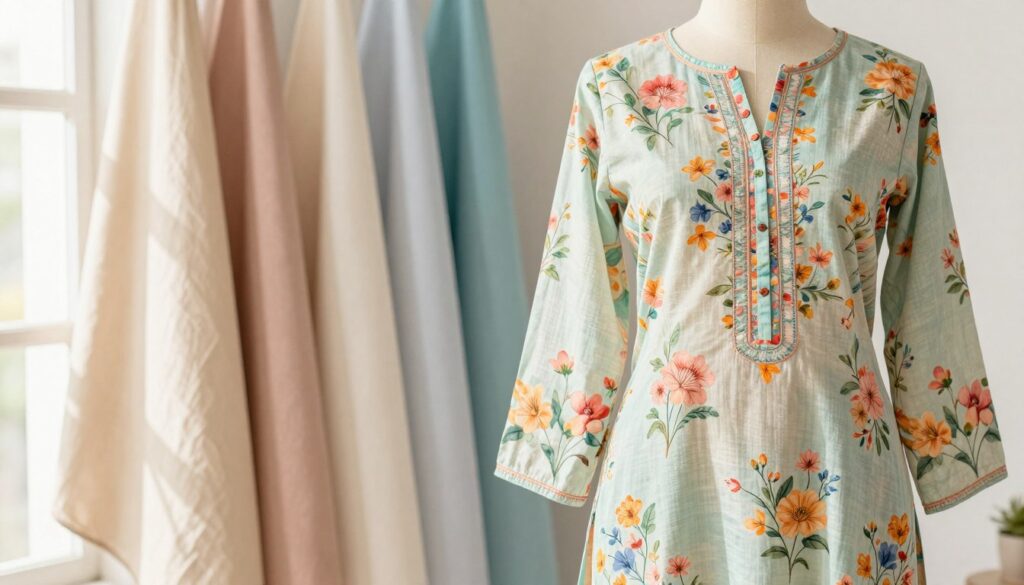
Print Selection: Florals, Geometrics, and Solid Colors
Floral prints are feminine and lovely. Geometric patterns add a modern touch. Solid colors bring simplicity and elegance. Mixing these prints with your clothes lets you create many outfits.
Color Combinations That Complement Indian Skin Tones
Earthy tones like olive green, terracotta, and mustard look good on Indian skin. Cool tones like blues and purples also make a beautiful contrast.
| Skin Tone | Complementary Colors |
|---|---|
| Fair | Pastel shades, Soft pinks, Baby blues |
| Medium | Earthy tones, Olive green, Mustard |
| Dusky | Rich jewel tones, Deep reds, Navy blues |
Thinking about these points helps you build a stylish and versatile kurti wardrobe.
Best Cotton Kurti for Daily Wear: Occasion-Based Selection
Cotton kurtis are great for many daily activities. They work well for both office wear and casual outings. Knowing which style fits each occasion is key to enjoying your collection.
Choosing the right cotton kurti depends on the day’s activities. Here are tips for different scenarios:
Office Wear Kurtis: Professional and Polished Styles
For work, pick cotton kurtis that look professional. Look for:
- Muted or subtle colors that fit your office dress code
- Simple, elegant designs with minimal embellishments
- Pair them with formal trousers or palazzos for a complete look
Casual Daily Wear: Relaxed and Comfortable Options
For casual days, choose kurtis that are both relaxed and comfy. Consider:
- Bright colors or playful prints to add a touch of personality
- Loose-fitting styles for maximum comfort
- Pairing them with jeans or leggings for a casual look
College and University Wear: Trendy Yet Practical
In college or university, you need kurtis that are trendy yet practical. Look for:
- Trendy prints or colors that fit the campus vibe
- Comfortable fabrics and relaxed fits
- Easy to pair with leggings or jeggings
Running Errands and Home Wear: Easy and Breezy Choices
For errands or lounging at home, comfort is key. Opt for:
- Soft, breathable cotton fabrics
- Loose, comfortable fits
- Simple designs that are easy to care for
By picking the right cotton kurti for the occasion, you’ll always look good and feel comfortable.
Identifying Quality Markers in Cotton Kurtis
Choosing the right cotton kurti means knowing what makes it good. You want it to last long, feel great, and fit your style. There are key things to look for in a cotton kurti’s quality.
Checking Thread Count and Fabric Density
A higher thread count means softer, more durable fabric. But, don’t forget to check the fabric density too. It affects how breathable and comfy the kurti is. For a lightweight kurti, look for lower density fabrics.
Examining Stitching Quality and Seam Finishing
The stitching and seam finishing show how well-made the kurti is. Look for even, tight stitches and neat seams. This ensures your kurti can handle lots of washing and wear.
Testing for Color Fastness Before Purchase
Color fastness is key to keeping your kurti looking good. Rub the fabric gently against a white cloth to see if colors bleed. This is very important for summer kurtis for women with bright colors.
Inspecting Buttons, Zippers, and Embellishments
The quality of buttons, zippers, and decorations matters a lot. Make sure they’re securely attached and made well.
Understanding GSM Ratings for Cotton Fabric
GSM (Grams per Square Meter) shows how thick the fabric is. For cotton kurtis, a GSM of 150-200 is perfect for everyday wear. It’s comfy and durable.
| GSM Rating | Fabric Characteristics | Suitability |
|---|---|---|
| Below 150 | Very lightweight, breathable | Summer wear, casual daily wear |
| 150-200 | Lightweight, comfortable | Daily wear, office wear |
| Above 200 | Dense, durable | Formal wear, winter wear |
Knowing these quality markers helps you choose a great cotton kurti. You’ll get something comfy and long-lasting. The pure cotton kurti benefits include being breathable, comfy, and durable, making it perfect for daily use.
Embellishments and Detailing Considerations
Finding the perfect cotton kurti for daily wear is all about finding the right balance. It’s about choosing the right embellishments, considering your work, climate, and style. For office work, look for comfortable kurtis for office with simple yet elegant details.
Minimal Embroidery for Daily Comfort
For everyday wear, go for minimal embroidery. It adds elegance without being too much. Choose kurtis with subtle embroidery that enhances the fabric. This keeps your kurti breathable kurtis for summer and comfy all day.
Printed vs. Embroidered Kurtis for Everyday Use
When picking between printed and embroidered kurtis, think about your daily activities. Printed kurtis are perfect for casual days, while embroidered ones are better for formal or office settings.
| Feature | Printed Kurtis | Embroidered Kurtis |
|---|---|---|
| Occasion | Casual, daily wear | Formal, office wear |
| Comfort Level | High | Moderate to High |
| Aesthetic Appeal | Varied, depending on print | Elegant, sophisticated |
Practical Button and Closure Options
Practicality is crucial when it comes to buttons and closures. Choose kurtis with secure, easy-to-use fasteners. They should not affect the look or comfort.
Avoiding Heavy Embellishments for Regular Wear
For everyday wear, steer clear of heavy embellishments. They can be uncomfortable or cumbersome. Instead, go for daily wear ethnic wear with balanced detailing. This ensures you stay both comfortable and stylish.
Setting Your Budget and Getting Value for Money
Before buying a cotton kurti, setting a budget is key. It helps you focus on what you can afford and choose wisely.
First, figure out your budget category. Cotton kurtis fall into three main groups:
Budget Categories: Economy, Mid-Range, and Premium
- Economy: These are affordable for everyday wear.
- Mid-Range: They balance quality and price, perfect for regular use.
- Premium: These are top-notch, with fancy details or unique designs.
Calculating Cost Per Wear for Smart Investment
To invest wisely, calculate the cost per wear. Divide the kurti’s price by how many times you’ll wear it. For instance, a ₹500 kurti worn 50 times costs ₹10 per wear.
| Kurti Price (₹) | Number of Wears | Cost Per Wear (₹) |
|---|---|---|
| 500 | 50 | 10 |
| 1000 | 100 | 10 |
| 1500 | 50 | 30 |
When to Splurge on Higher Quality Cotton
It’s worth spending more on a high-quality cotton kurti. Look for premium cotton for better durability and comfort.
Finding the Best Deals and Shopping Seasons
Watch for sales and discounts during festivals or end-of-season sales. These are great times to find deals on cotton kurtis.
Care and Maintenance Tips for Longevity
To keep your cotton kurti looking great, follow some simple care tips. These steps will help your kurti last longer and stay comfy and stylish.
Pre-Washing New Cotton Kurtis Properly
Wash your new cotton kurti before wearing it. This removes dye or finish that might irritate your skin or change how it breathes. Use cold water and a mild detergent for a gentle clean.
Machine Wash vs. Hand Wash Guidelines
Many cotton kurtis can be machine washed, but hand washing is better for keeping the fabric in top shape. If you do machine wash, use a gentle cycle with cold water. For hand washing, soak the kurti in cold water with a mild detergent, then rinse well.
Drying Techniques to Prevent Shrinkage
Air drying is the best way to avoid shrinkage. Don’t dry your kurti in direct sunlight, as it can fade. Instead, dry it in a shaded area or indoors.
Ironing Best Practices for Different Cotton Types
Iron your cotton kurti when it’s a bit damp to make ironing easier. Use a medium to low heat, depending on the cotton type. For kurtis with embroidery or prints, iron on the reverse side to protect the design.
Storage Solutions to Maintain Shape and Color
Keep your cotton kurti in a cool, dry spot. Folding is better than hanging to stop it from stretching. If you must hang it, use a padded hanger to keep its shape.
| Care Method | Benefit |
|---|---|
| Pre-washing | Removes excess dye and finish |
| Hand washing | Preserves fabric quality |
| Air drying | Prevents shrinkage |
| Ironing while damp | Eases ironing process |
| Folding for storage | Maintains shape |
Common Mistakes to Avoid When Buying Cotton Kurtis
When looking for the perfect cotton kurti, it’s important to know common mistakes. Several factors can influence your choice, like fabric quality and style. Paying attention to these can help you make a better choice.
Ignoring Fabric Composition and Care Labels
One big mistake is ignoring the fabric and care labels. Knowing the fabric blend is key for comfort, durability, and care. Always check the label to make sure it fits your needs.
Prioritizing Fashion Trends Over Daily Functionality
While fashion is important, don’t forget about daily use. Think about how often you’ll wear it and if it fits your lifestyle. For everyday wear, choose designs that are both comfortable and versatile.
Buying Without Checking Return Policies
Not checking return policies can be a big mistake. Make sure you know the return and exchange policies of the store. This is important in case the kurti doesn’t fit right or meet your expectations.
Overlooking Seasonal Appropriateness
Seasonal appropriateness is also key. Buying a kurti not suited for the season can limit its use. For example, thick cotton kurtis are better for winter, while lightweight ones are for summer.
Compromising on Fit to Save Money
Compromising on fit to save money is a common error. A well-fitting kurti looks better and feels more comfortable. Spending a bit more on a good fit is worth it, as you’ll wear it more and it will last longer.
| Mistake | Consequence | Prevention |
|---|---|---|
| Ignoring Fabric Composition | Discomfort, poor durability | Check fabric labels |
| Prioritizing Trends | Regretful purchase | Opt for timeless designs |
| Not Checking Return Policies | Limited flexibility | Understand return policies |
| Overlooking Seasonal Appropriateness | Limited wearability | Choose seasonally appropriate kurtis |
| Compromising on Fit | Discomfort, poor appearance | Invest in a well-fitting kurti |
Knowing these common mistakes can help you make better choices. This way, you can find a cotton kurti that meets your needs and expectations. As a fashion expert,
“The key to a great wardrobe is not just about following trends, but also about investing in pieces that offer comfort, durability, and versatility.”
This advice is very relevant when choosing cotton kurtis for daily wear.
Conclusion
Now you know how to pick the perfect cotton kurti for daily wear. Think about the fabric, style, fit, color, and quality. This way, you’ll find a kurti that’s both comfortable and stylish.
Looking for something for the office? Choose breathable fabrics like cambric or mulmul cotton. For a casual look, try different colors and patterns. Always check the quality to make sure it lasts long.
Follow these tips to create a versatile wardrobe with cotton kurtis. You’ll be ready for any occasion. Happy shopping!
